Understanding the Impact of Virginia’s Water Quality on Your Filtration Needs
Understanding Virginia's Water Quality
Virginia's diverse landscape offers a variety of water sources, including rivers, lakes, and reservoirs. However, these sources often carry impurities that can affect your water quality. Understanding these factors is crucial for determining your specific filtration needs. From urban areas to rural communities, water quality can vary significantly.
Pollutants such as industrial runoff, agricultural chemicals, and natural minerals can all influence the composition of your water. Addressing these pollutants is essential for ensuring safe and clean water for your home or business. By analyzing your local water quality reports, you can identify common contaminants in your area.

Common Contaminants in Virginia's Water
Some of the most prevalent contaminants in Virginia include lead, chlorine, and sediment. Each of these has different health implications and filtration requirements. Lead, often originating from old plumbing systems, is a significant concern due to its potential health risks.
Chlorine, used in water treatment plants to disinfect water, can leave an unpleasant taste and odor. Additionally, sediment from natural erosion can cause water cloudiness and affect plumbing systems. A targeted filtration system can help mitigate these issues effectively.
Choosing the Right Filtration System
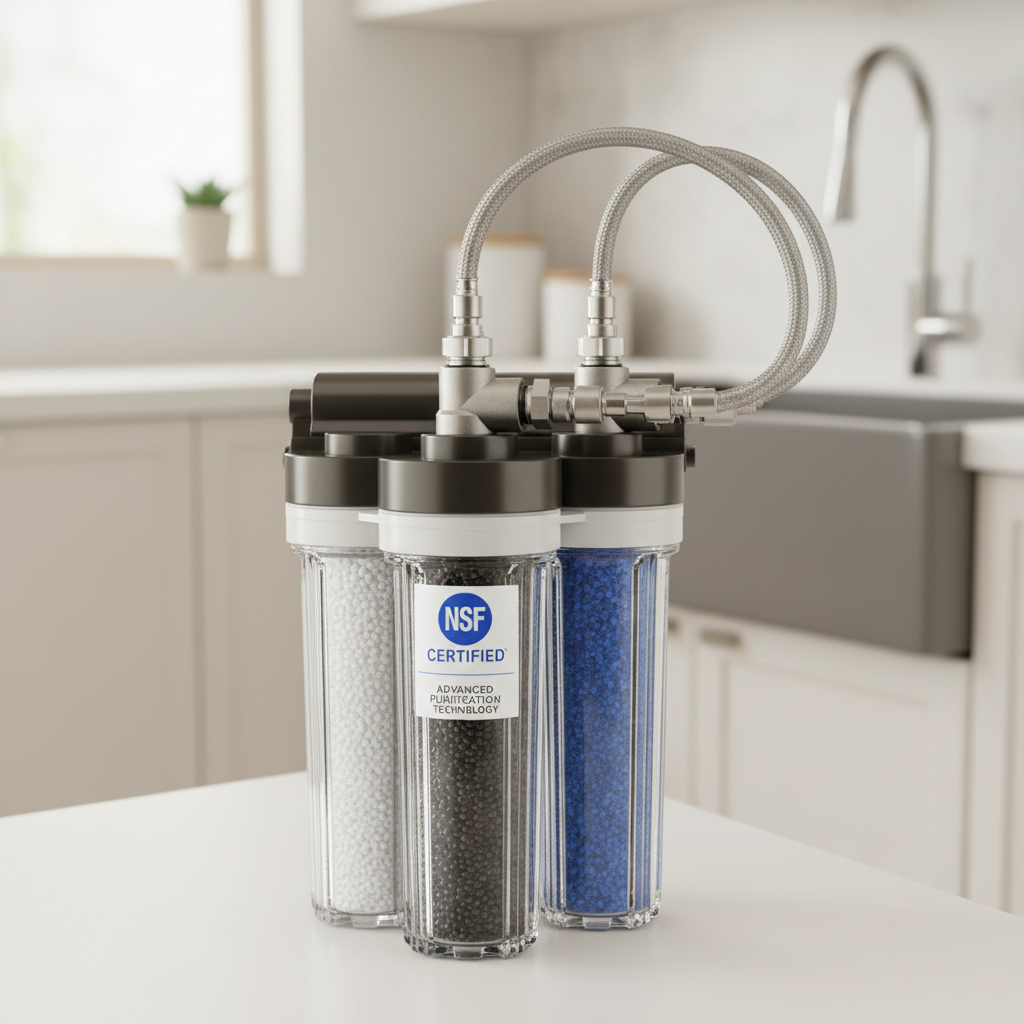
When selecting a filtration system, it's important to consider a few key factors:
- Type of Contaminants: Identify which pollutants are present in your water supply.
- Filtration Technology: Options include activated carbon, reverse osmosis, and UV filters.
- System Size: Ensure the system fits your household or business needs.
Each filtration technology has its strengths. For instance, activated carbon is excellent for removing chlorine and organic compounds, while reverse osmosis is effective against a wide range of contaminants, including lead.
Maintaining Your Filtration System
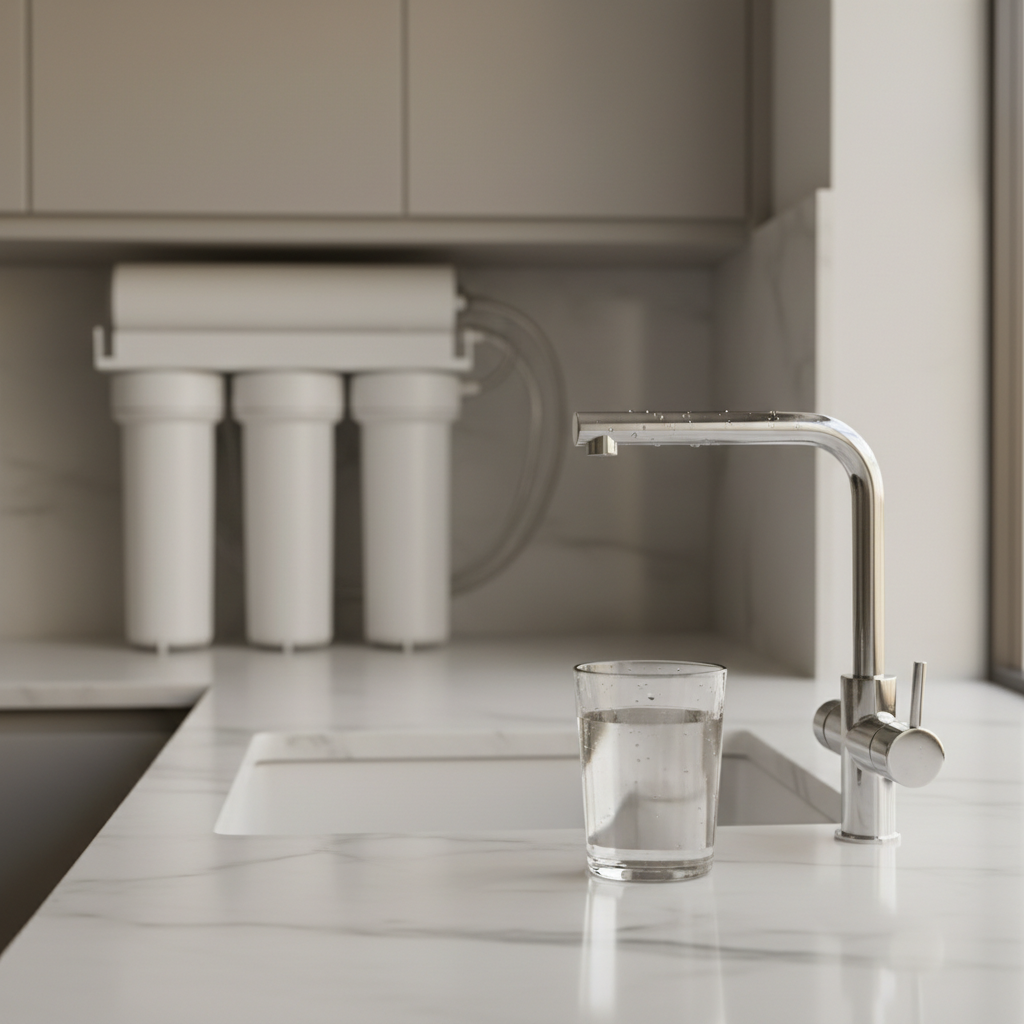
Regular maintenance of your filtration system is crucial for its longevity and effectiveness. This includes changing filters according to the manufacturer's recommendations and monitoring system performance. Proper maintenance ensures that your system continues to provide clean and safe water.
Ignoring maintenance can lead to reduced filter efficiency and potential water contamination. Establishing a routine check-up can help avoid unexpected breakdowns and ensure your water remains pure.
Environmental and Health Benefits
Investing in a quality water filtration system offers numerous benefits beyond just taste and clarity. Reducing contaminants can lead to better health outcomes by minimizing exposure to harmful substances. Additionally, filtered water reduces the need for bottled water, contributing to environmental sustainability by decreasing plastic waste.
By understanding and addressing your filtration needs, you not only protect your health but also contribute positively to the environment. This holistic approach benefits both individuals and the wider community.